
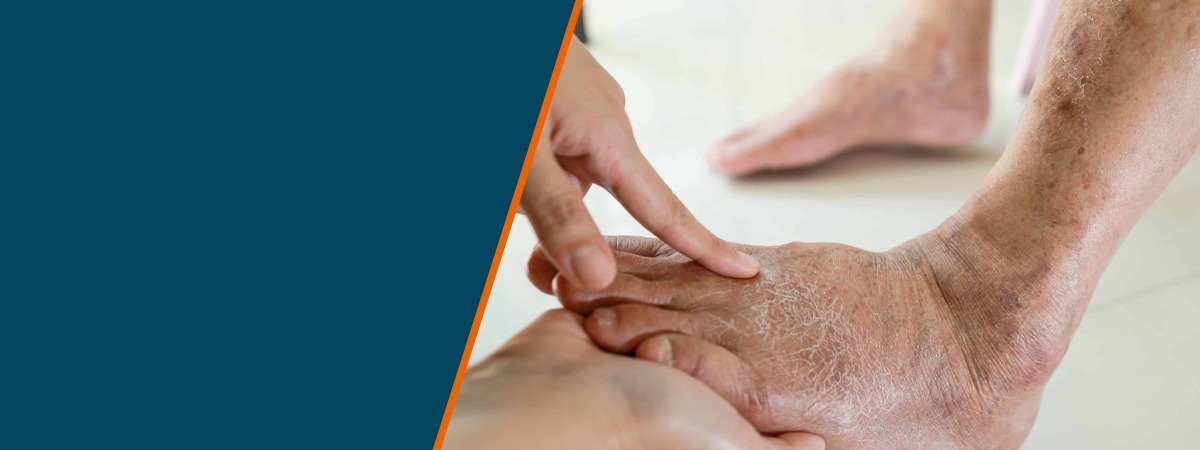


Peripheral Artery Disease Treatment in Hyderabad, Secunderabad – SVC Hospital
If you are searching for advanced peripheral artery disease treatment in Hyderabad, secunderabad, SVC Hospital offers expert diagnosis, modern vascular care, and minimally invasive treatment options for long-term relief and better circulation. Peripheral artery disease (PAD) is a serious vascular condition that affects blood circulation in the legs and lower limbs. It develops when arteries become narrowed or blocked due to plaque buildup, reducing blood flow to the muscles and tissues. If left untreated, PAD can lead to severe pain, poor wound healing, infections, and even limb-threatening complications.
At SVC Hospital, patients receive specialized vascular care with advanced diagnostics, evidence-based treatment, and personalized management plans. With experienced vascular specialists and modern endovascular techniques, SVC Hospital is a trusted destination for peripheral artery disease treatment in Hyderabad, secunderabad for patients seeking safe, effective, and advanced vascular care.
What is Peripheral Artery Disease?
Peripheral artery disease, commonly known as PAD, is a condition in which the arteries that supply blood to the legs become narrowed or blocked. This happens due to the buildup of fatty deposits, also called plaque, inside the artery walls. As blood flow reduces, the muscles and tissues in the legs receive less oxygen, leading to pain, weakness, and poor healing.
PAD usually affects the legs, but it is also considered a warning sign of broader cardiovascular disease. Patients with PAD often have a higher risk of heart attack and stroke, making early diagnosis and treatment extremely important.
Timely peripheral artery disease treatment in Hyderabad, secunderabad can help restore blood flow, relieve symptoms, and prevent serious complications.
What Causes Peripheral Artery Disease?
PAD usually develops gradually and is most commonly caused by atherosclerosis, a condition in which fatty deposits accumulate in the arteries.
Common Causes and Risk Factors
peripheral artery disease treatment in Hyderabad, secunderabad.
1. Atherosclerosis
This is the most common cause of PAD. Plaque buildup narrows arteries and reduces blood flow to the legs.
2. Smoking
Smoking damages blood vessels and significantly increases the risk of PAD by accelerating artery narrowing.
3. Diabetes
High blood sugar damages blood vessels over time, making diabetic patients more vulnerable to PAD.
4. High Blood Pressure
Increased blood pressure weakens artery walls and contributes to vascular damage.
5. High Cholesterol
Excess cholesterol contributes to plaque buildup and arterial blockage.
6. Obesity
Being overweight places extra stress on blood vessels and increases the risk of poor circulation.
7. Sedentary Lifestyle
Lack of exercise weakens circulation and contributes to vascular disease.
Recognizing these risk factors early can help reduce disease progression and improve the success of peripheral artery disease treatment in Hyderabad, secunderabad.
Symptoms of Peripheral Artery Disease
PAD symptoms often develop slowly and may be ignored in the early stages. However, symptoms usually worsen over time as blood flow decreases.
Common Symptoms Include:
- Leg pain while walking (claudication)
- Cramping in calves, thighs, or buttocks
- Numbness or weakness in legs
- Coldness in one leg or foot
- Slow-healing wounds on feet or legs
- Skin discoloration
- Shiny skin on legs
- Hair loss on legs
- Weak or absent pulse in feet
- Foot pain even at rest in severe cases
These symptoms should not be ignored. Early consultation can help diagnose the condition before complications develop.
Why Early PAD Treatment Matters
Many people ignore leg pain, assuming it is due to age, fatigue, or muscle strain. However, untreated PAD can lead to serious complications.
Complications of Untreated PAD
- Chronic leg pain
- Non-healing ulcers
- Infections
- Tissue damage (gangrene)
- Increased risk of heart attack
- Increased risk of stroke
- Limb loss in severe cases
Seeking early peripheral artery disease treatment in Hyderabad, secunderabad can significantly reduce the risk of complications and improve quality of life.
Diagnosis of Peripheral Artery Disease at SVC Hospital
At SVC Hospital, diagnosis begins with a detailed vascular evaluation and advanced imaging tests to assess blood flow and arterial blockages.
Diagnostic Tests Include:
- Clinical vascular examination
- Ankle-Brachial Index (ABI)
- Doppler Ultrasound
- CT Angiography
- MR Angiography
- Blood circulation assessment
These tests help determine the severity and location of blockages and guide the most effective treatment plan.
Best Peripheral Artery Disease Treatment Options at SVC Hospital
SVC Hospital offers advanced treatment options based on the severity of the condition and overall vascular health of the patient.
1. Lifestyle Modifications
For early-stage PAD, lifestyle improvements can slow disease progression:
- Stop smoking
- Exercise regularly
- Maintain healthy weight
- Control diabetes and cholesterol
- Improve diet
2. Medication Management
Medications may be prescribed to:
- Improve blood flow
- Reduce cholesterol
- Prevent blood clots
- Control blood pressure
3. Endovascular Treatment
Minimally invasive procedures are often the most effective option for moderate to advanced PAD.
Angioplasty
A small balloon is inserted into the blocked artery and inflated to open it.
Stenting
A stent is placed inside the artery to keep it open and maintain blood flow.
These treatments are highly effective, minimally invasive, and offer faster recovery.
4. Surgical Bypass
In severe cases, bypass surgery may be needed to reroute blood flow around blocked arteries.
SVC Hospital offers advanced peripheral artery disease treatment in Hyderabad, secunderabad using both minimally invasive and surgical approaches depending on patient condition.
Why Choose SVC Hospital for PAD Treatment?
SVC Hospital is recognized for specialized vascular care and advanced treatment for artery-related disorders.
Why Patients Trust SVC Hospital
- Dedicated vascular specialists
- Advanced vascular diagnostics
- Minimally invasive endovascular procedures
- Personalized treatment plans
- Faster recovery
- High treatment success rates
- Comprehensive follow-up care
Patients seeking peripheral artery disease treatment in Hyderabad, secunderabad choose SVC Hospital for specialized vascular expertise and long-term care.
Can Peripheral Artery Disease Be Prevented?
While PAD cannot always be completely prevented, healthy lifestyle choices can significantly reduce risk.
Prevention Tips
- Avoid smoking
- Exercise daily
- Control diabetes
- Maintain healthy blood pressure
- Manage cholesterol
- Eat a balanced diet
- Maintain healthy body weight
- Get regular vascular checkups
Prevention plays a major role in reducing the need for advanced treatment later.
FAQ’S
Why choose SVC Hospital for peripheral artery disease treatment in Hyderabad, Secunderabad?
SVC Hospital is a trusted choice for peripheral artery disease treatment in Hyderabad, Secunderabad because it offers specialized vascular care, advanced diagnostics, minimally invasive treatment options, experienced vascular specialists, and personalized treatment plans focused on long-term circulation improvement and limb preservation.
What can I do to avoid coronary artery diseases arising from blocked arteries?
To reduce the risk of coronary artery disease and blocked arteries, maintain a healthy lifestyle by avoiding smoking, exercising regularly, controlling blood pressure and diabetes, eating a heart-healthy diet, managing cholesterol levels, maintaining a healthy weight, and going for regular health check-ups.
How long is the recovery after PAD surgery?
Recovery after PAD surgery depends on the type of procedure performed. Minimally invasive treatments like angioplasty or stenting usually require 1–3 days of recovery, while open bypass surgery may take several weeks for complete healing and recovery.
Is surgery the only option for PAD?
No, surgery is not the only option for PAD. Early and moderate cases can often be managed with lifestyle changes, medications, exercise therapy, and minimally invasive procedures like angioplasty or stenting. Surgery is usually recommended only for severe or advanced blockages.
Is PAD treatment safe for elderly or diabetic patients?
Yes, PAD treatment is generally safe for elderly and diabetic patients when properly evaluated and managed by experienced vascular specialists. In fact, timely treatment is especially important in these patients because they have a higher risk of poor circulation, infections, and delayed wound healing.
